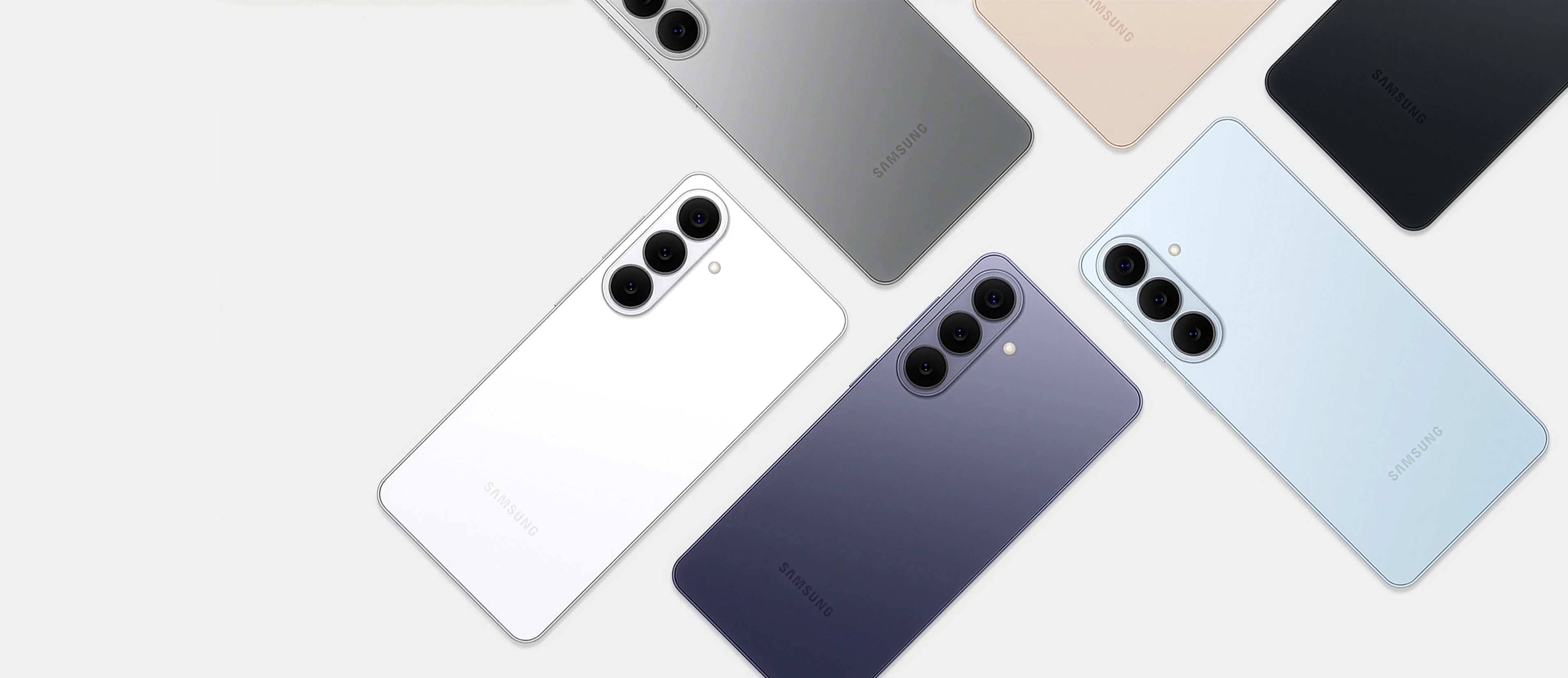
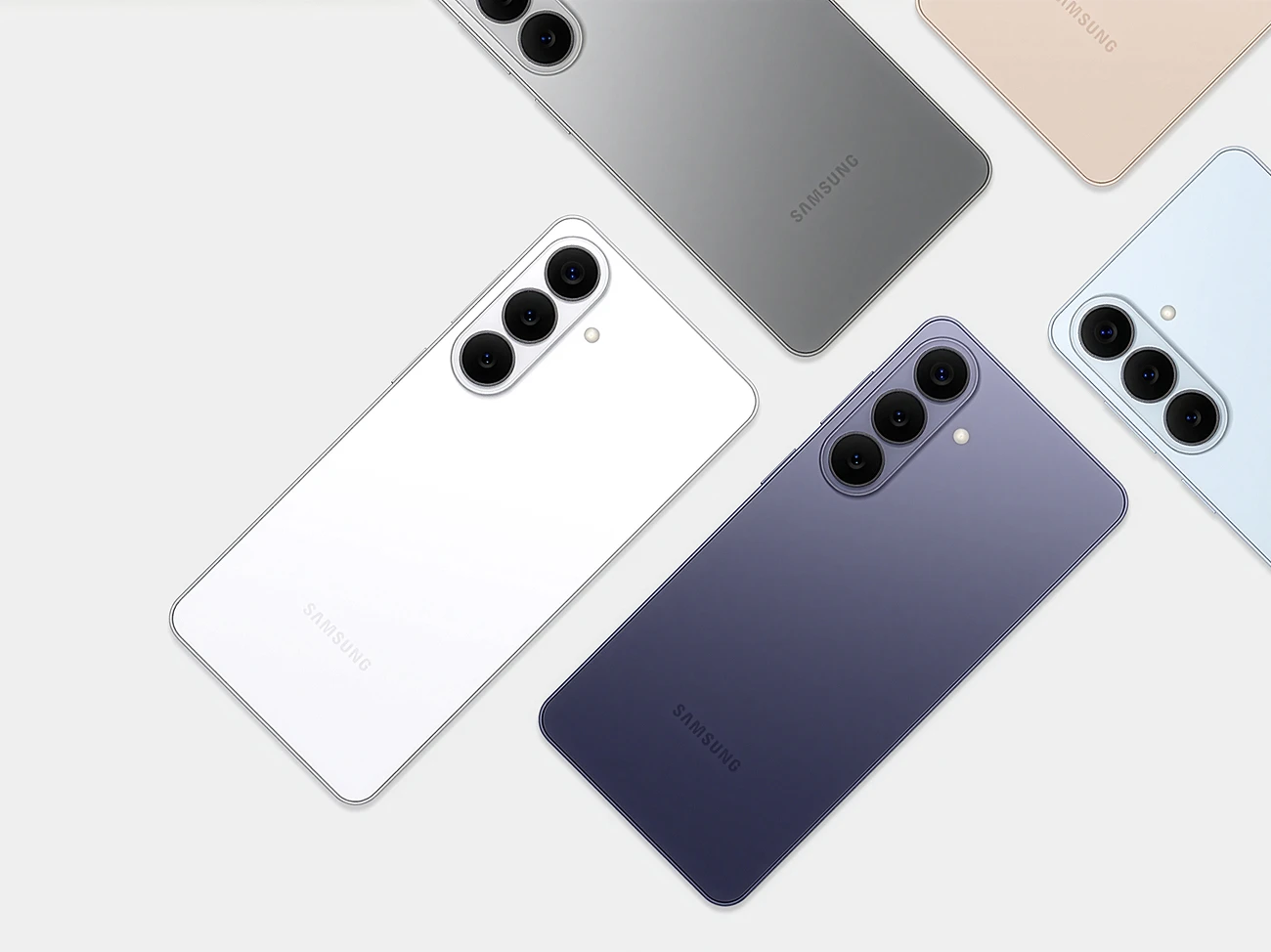
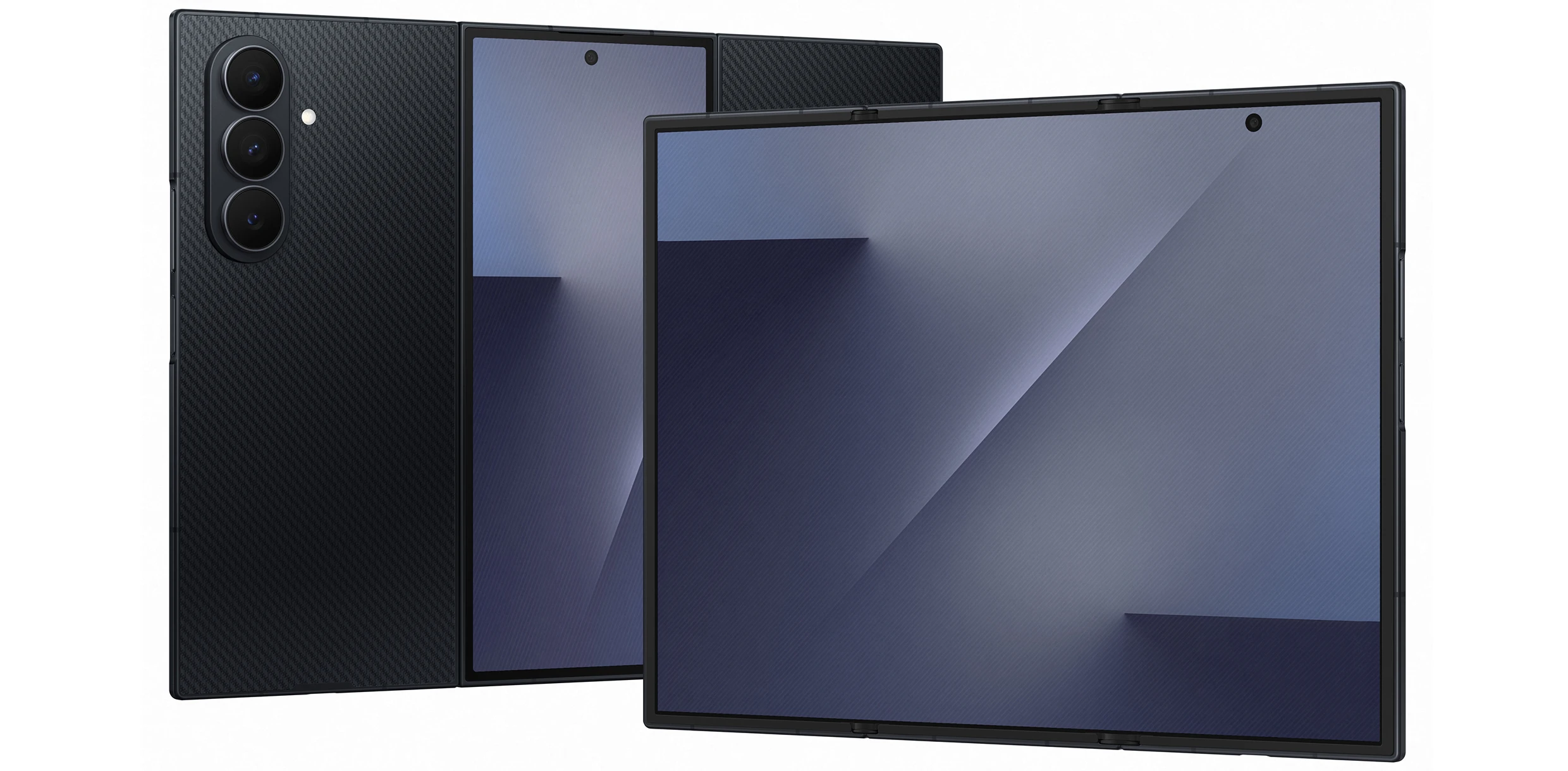
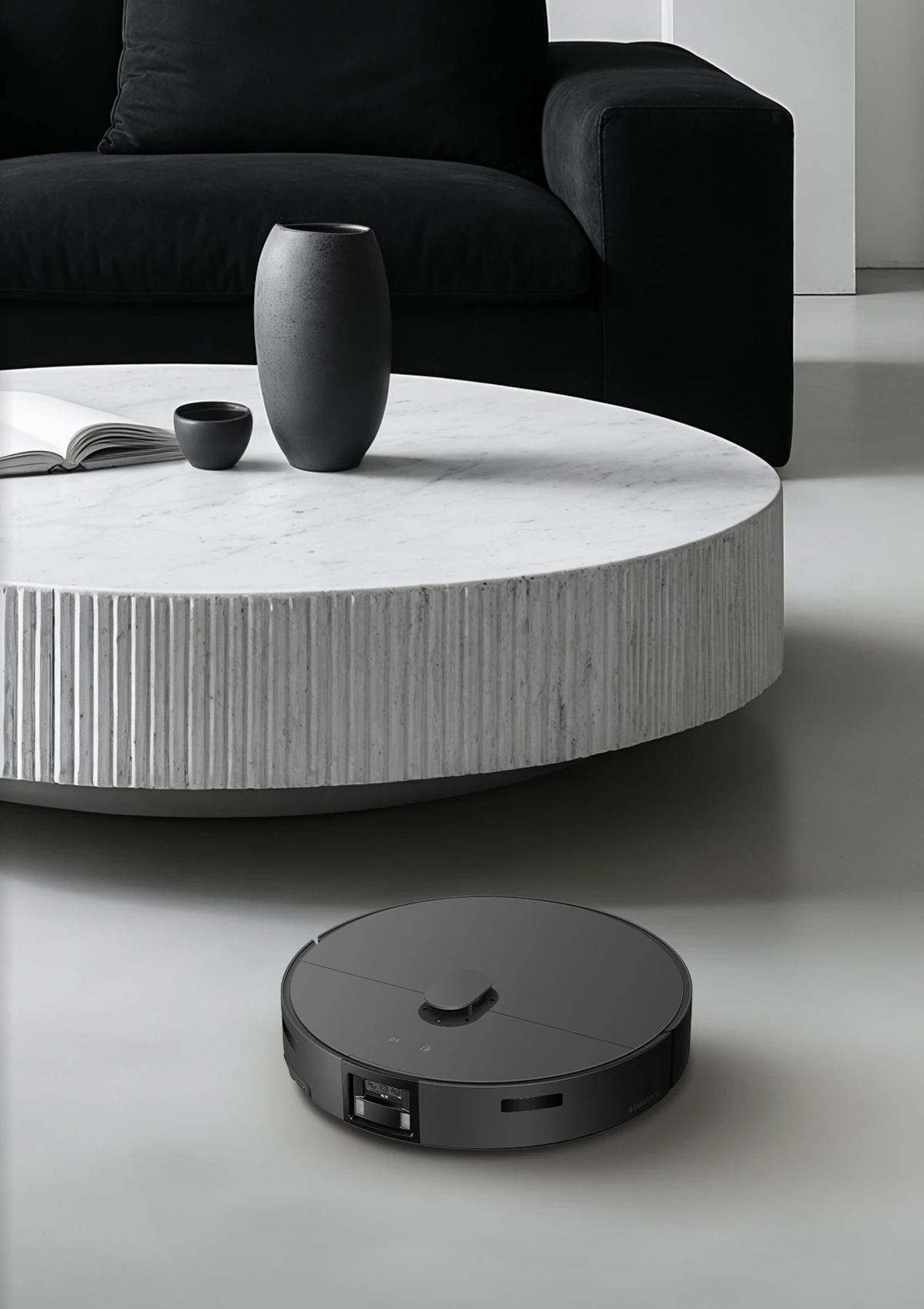
This is where
expressive design begins.
A design approach that reflects human diversity
through solutions that are meaningfully functional,
visually distinctive, and emotionally
impactful.
Expressive Design is a human-centered approach to
design that moves beyond reduction and neutrality,
placing meaning, identity, and emotional resonance at
the core of everything we create. It recognizes that
products and experiences are not just tools to be
used, but extensions of who we are — of our values,
our aspirations, and our desire to connect, express,
and be understood.
For decades, design in tech has often pursued
simplicity through subtraction, by removing,
minimizing, flattening. While this has brought clarity
and usability, it has also, at times, stripped away
character, emotion, and individuality. Expressive
Design emerges as an evolution of that paradigm. It
does not reject simplicity, but transcends it, seeking
not less, but more meaning. Not less identity, but
more intentionality. Not less emotion, but more
relevance to human life.
At its heart, Expressive Design is about creating
artifacts that people can relate to, objects and
experiences that feel purposeful, recognizable, and
alive. It is about designing not only for function,
but for connection, not only for efficiency, but for
significance.
This approach is grounded in a deep understanding of
human needs, desires, and behaviors.
It starts with functional relevance—ensuring that what we design truly serves people,
solving real problems with clarity and purpose. But it
does not stop there.
It extends into distinctiveness, shaping
products and experiences with a clear and recognizable
identity, allowing people to see themselves reflected
in what they choose, and to differentiate, to belong,
or to stand out.
And then, beyond function and identity lies
emotion.
Expressive Design embraces the power of
aesthetics,
not as decoration, but as a language that can inspire,
delight, and create lasting impressions. The way
something looks, feels, and sounds becomes part of how
it is experienced, remembered, and loved.
At the same time, emotion is embedded in use.
True delight is not only what we see, but what we
experience over time: how seamlessly something works,
how intelligently it responds, how naturally it
integrates into our lives. Expressive Design brings
emotional impact into functionality itself,
transforming interaction into something fluid,
intuitive, and even joyful.