July 17, 2025Calm yet Resonant
Bespoke AI Washer/Dryer Design Story
Simplicity in design is deceptively complex. Removing even a
single line requires torrents of ideas, bold experimentation,
and extreme deliberation. The Bespoke AI Washer and Dryer
distills the laundry experience to its essence with a clean
and minimal design. Discover the story of its back-to-basics
creation through interviews with the designers.
Content images simulated for illustrative purposes only and
may differ from the actual product. Product specification may
vary by country, region, model, and carrier.
Jinsun Park
Product Designer, Design Team of
Digital Appliances Business
Euikyun Koh
Product Designer, Design Team of
Digital Appliances Business
Jiheon Song
Product Designer, Design Team of
Digital Appliances Business
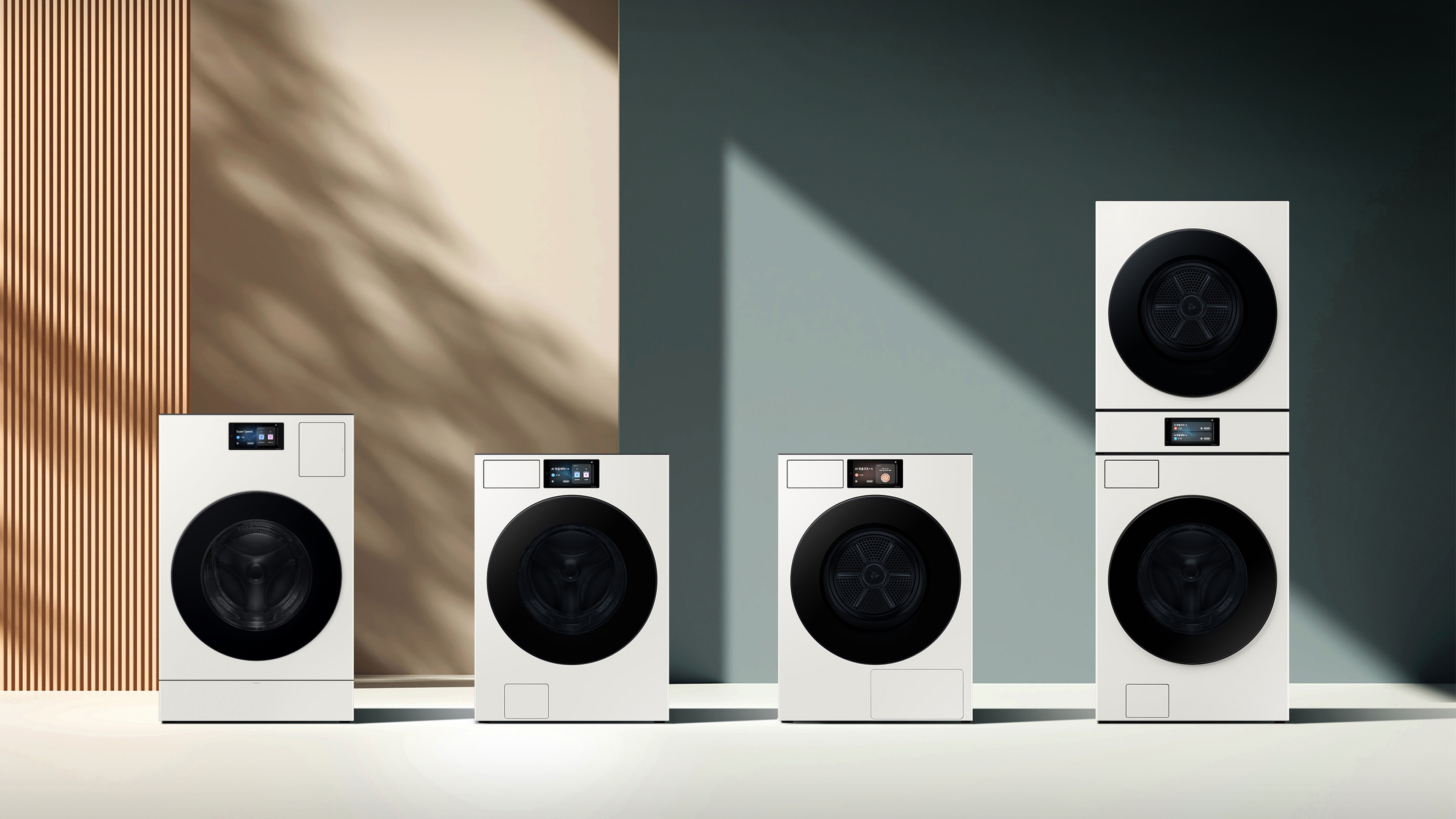
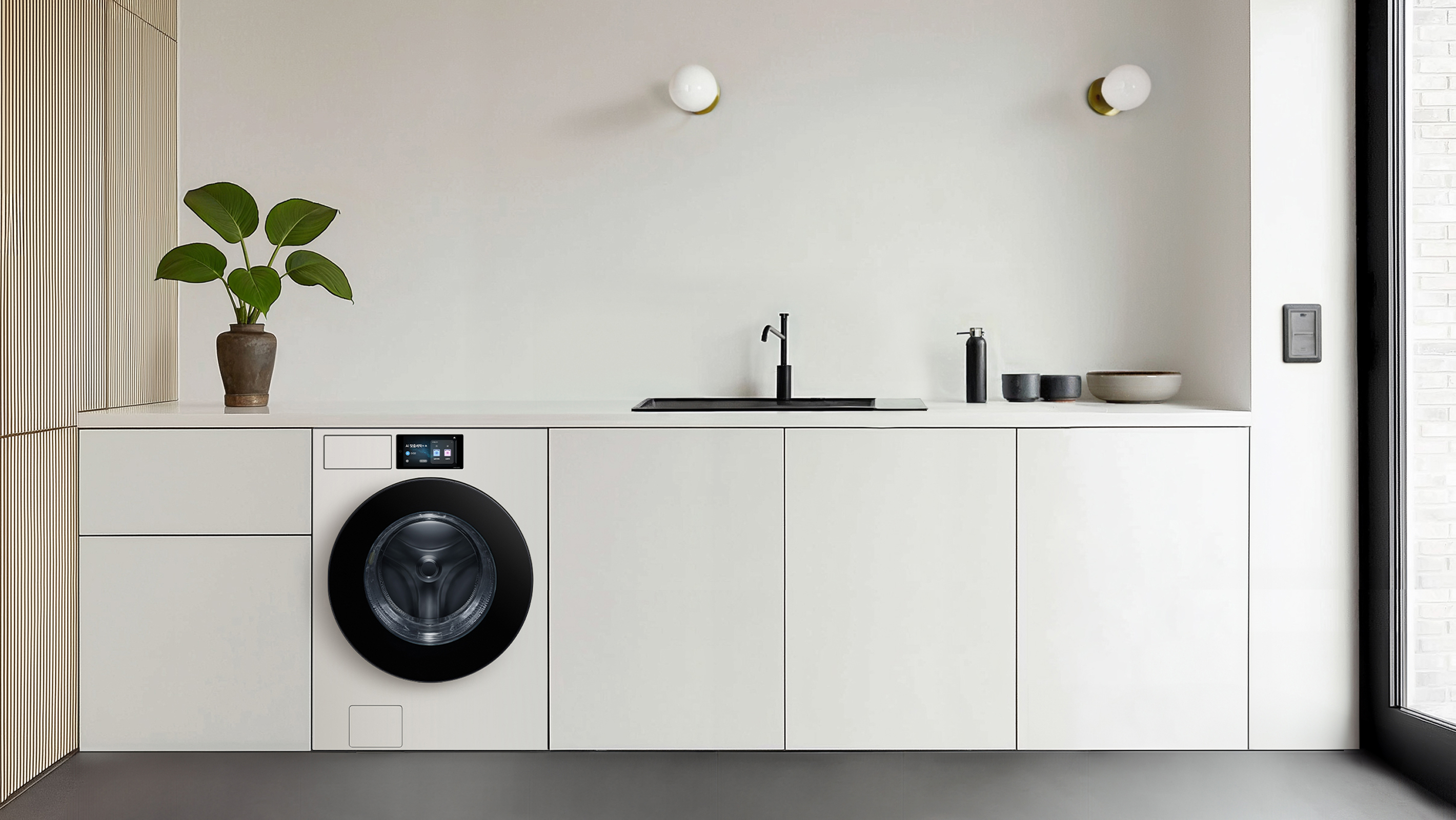
The look of the Bespoke AI Washer and Dryer has significantly
changed. What prompted this redesign?
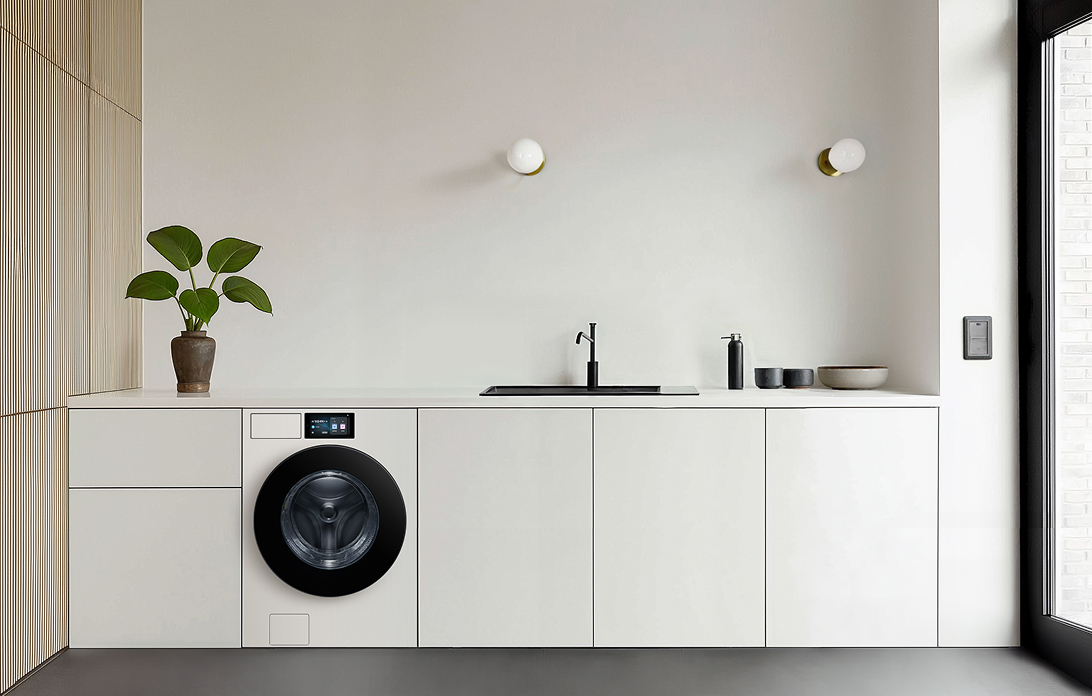
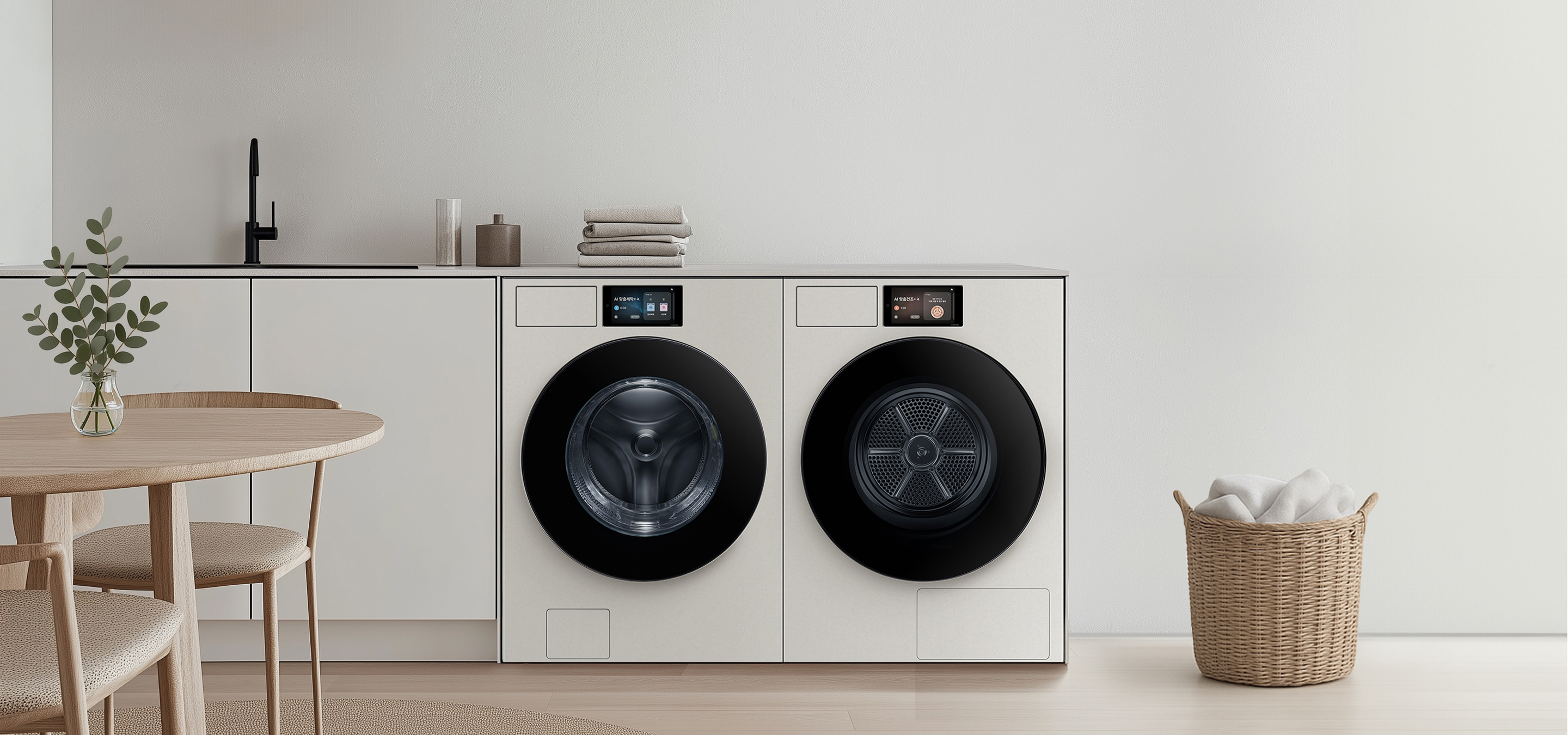
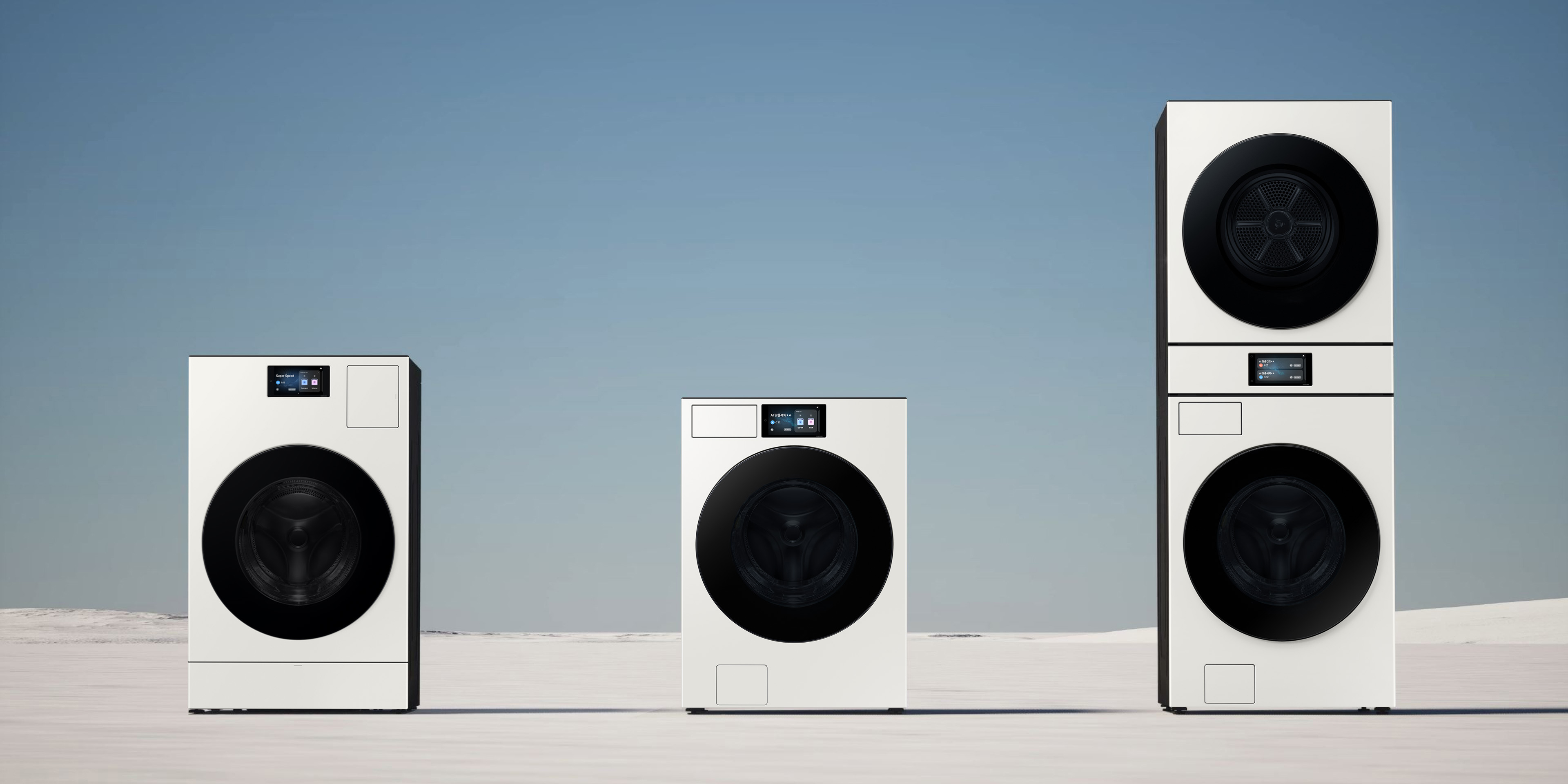
A new design language became necessary as the 7-inch display
was applied across diverse form factors, including standalone
washers, dryers, laundry hub units and combo units. For a long
time, washers and dryers have faithfully served their
functional roles in kitchens and utility rooms. In those
spaces, durability and practicality have traditionally taken
precedence over visual harmony. This time, the focus was on
creating a sleek exterior that blends in beautifully with the
home’s interior, just like a piece of furniture.
* This image has been created by generative AI (ComfyUI,
MagnificAI, Midjourney).
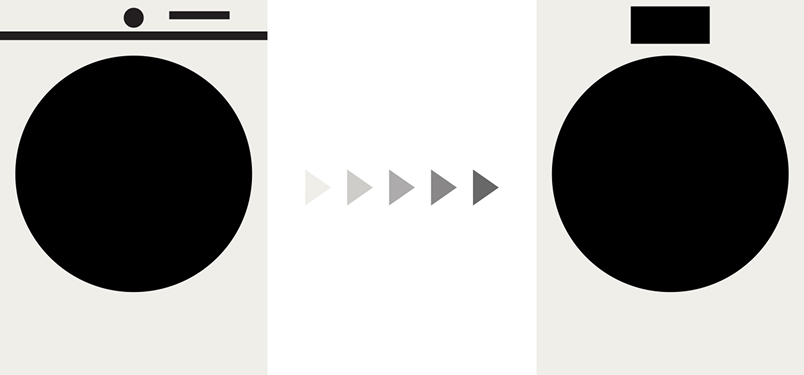
When you see the finished product, it looks far neater and
more refined this time around.
Unlike earlier models with a visible separation between the
top and bottom, this design is characterized by a seamless
body. On closer inspection, it’s also been simplified with a
push/pull mechanism replacing traditional handles on the
washer detergent drawer and the dryer water tank. The physical
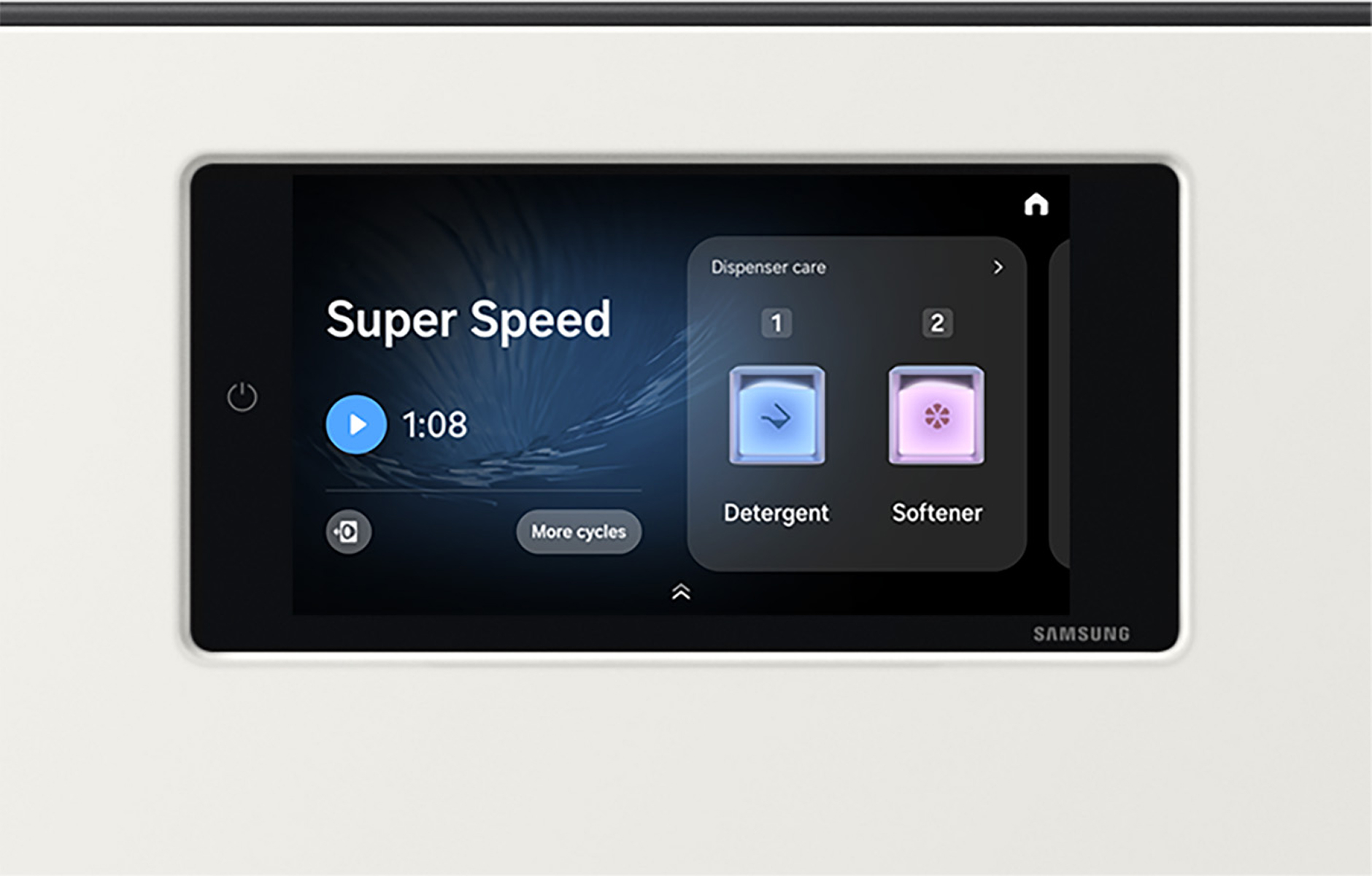
buttons have also been replaced by the 7-inch touch display,
enhancing the clean look overall.
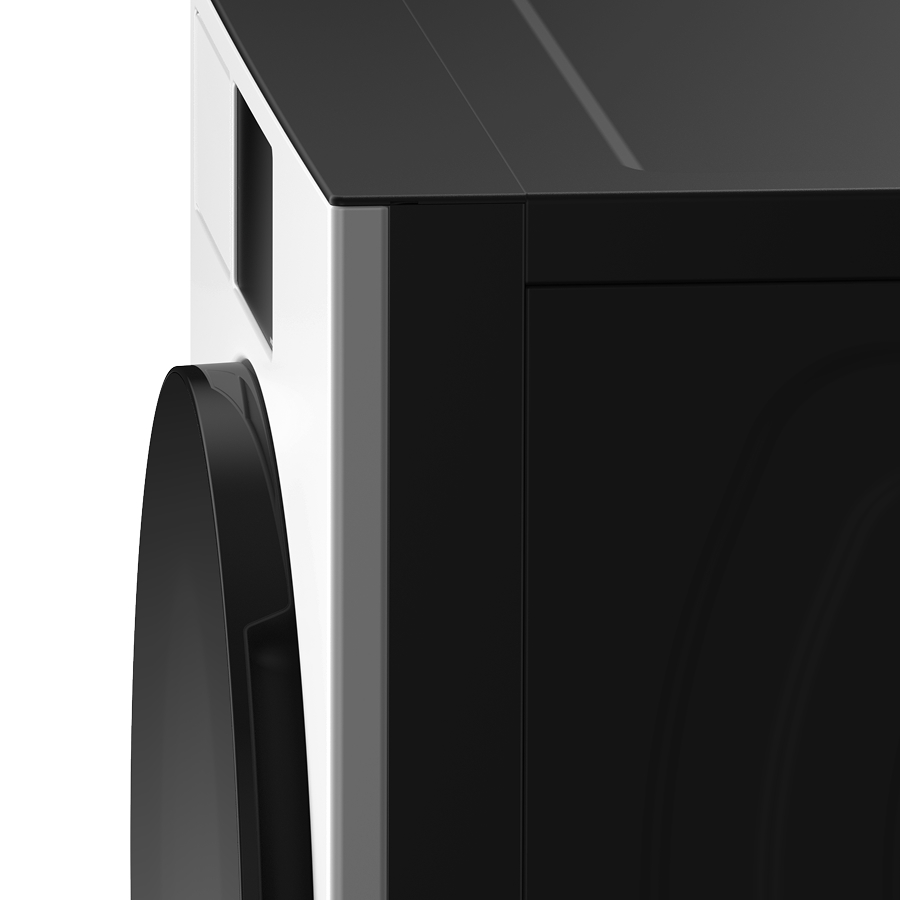
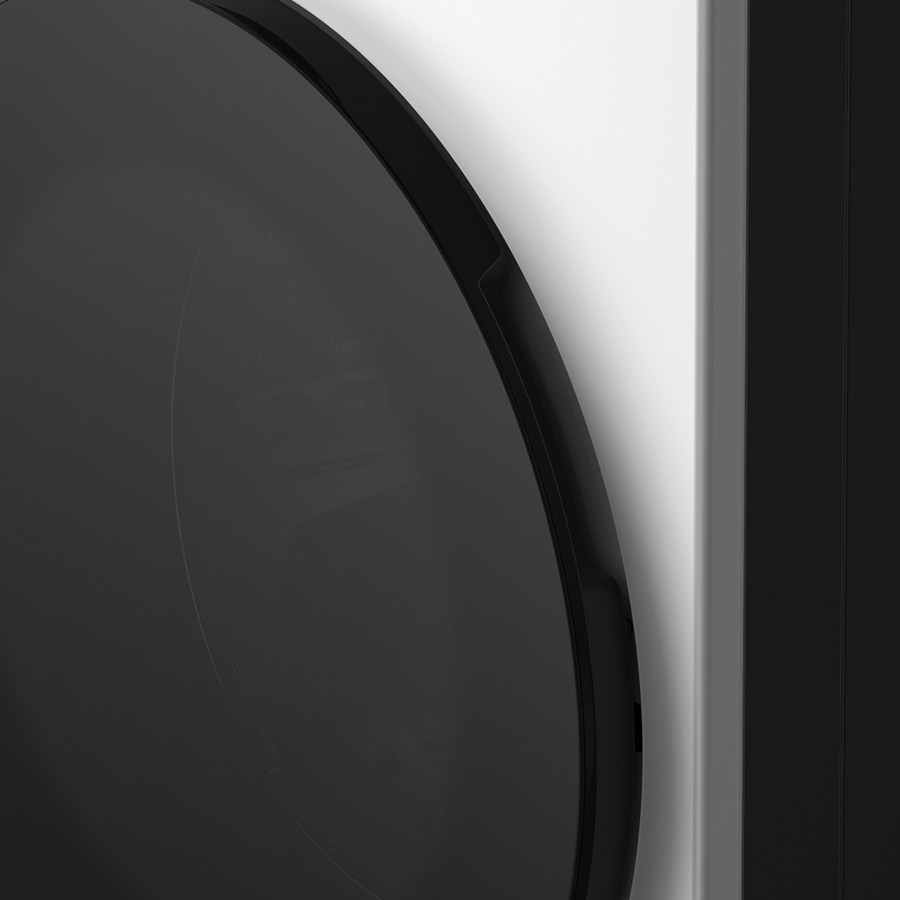
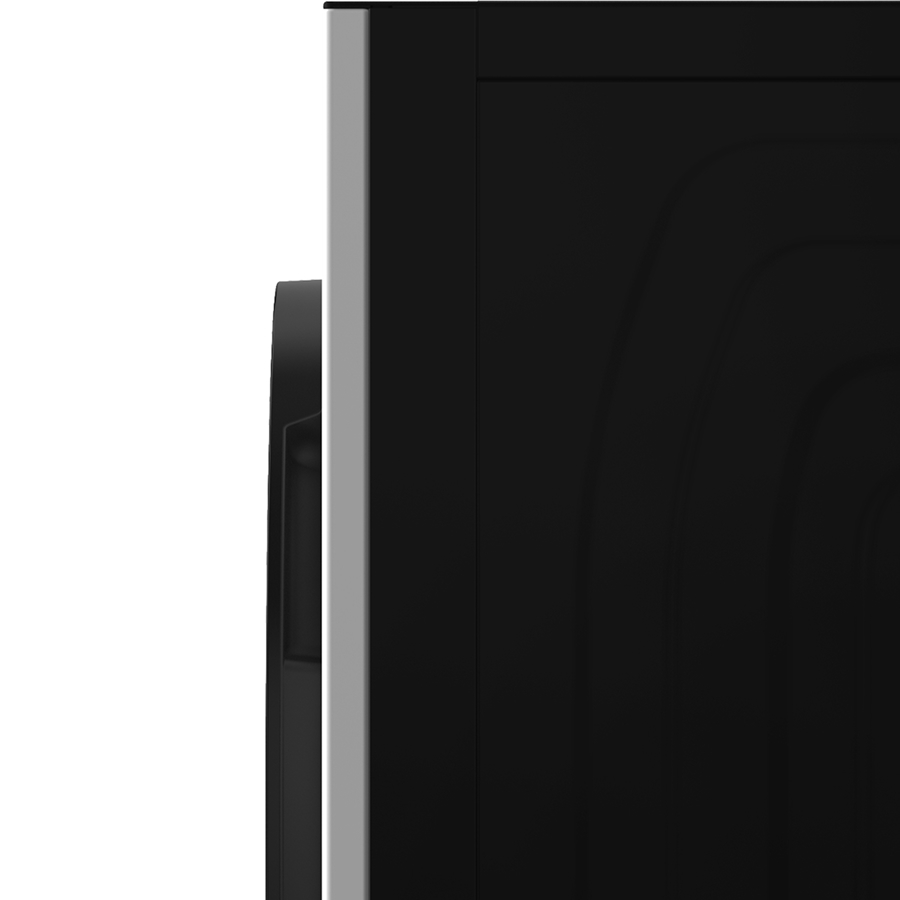
The design changes are especially noticeable from the side.
To create a slimmer, more refined impression that blends into
the space like furniture, the front panel is finished to match
the thickness of typical furniture panels. There’s also an
additional part where the front meets the side. In contrast to
previous models where the front and sides were uniform in
color, this design is black all over except for the distinct
front panel, an intentional design decision to improve
manufacturing efficiency.
The design changes are especially noticeable from the side.
To create a slimmer, more refined impression that blends into
the space like furniture, the front panel is finished to match
the thickness of typical furniture panels. There’s also an
additional part where the front meets the side. In contrast to
previous models where the front and sides were uniform in
color, this design is black all over except for the distinct
front panel, an intentional design decision to improve
manufacturing efficiency.
Were there any challenges in applying a consistent design
across different form factors?
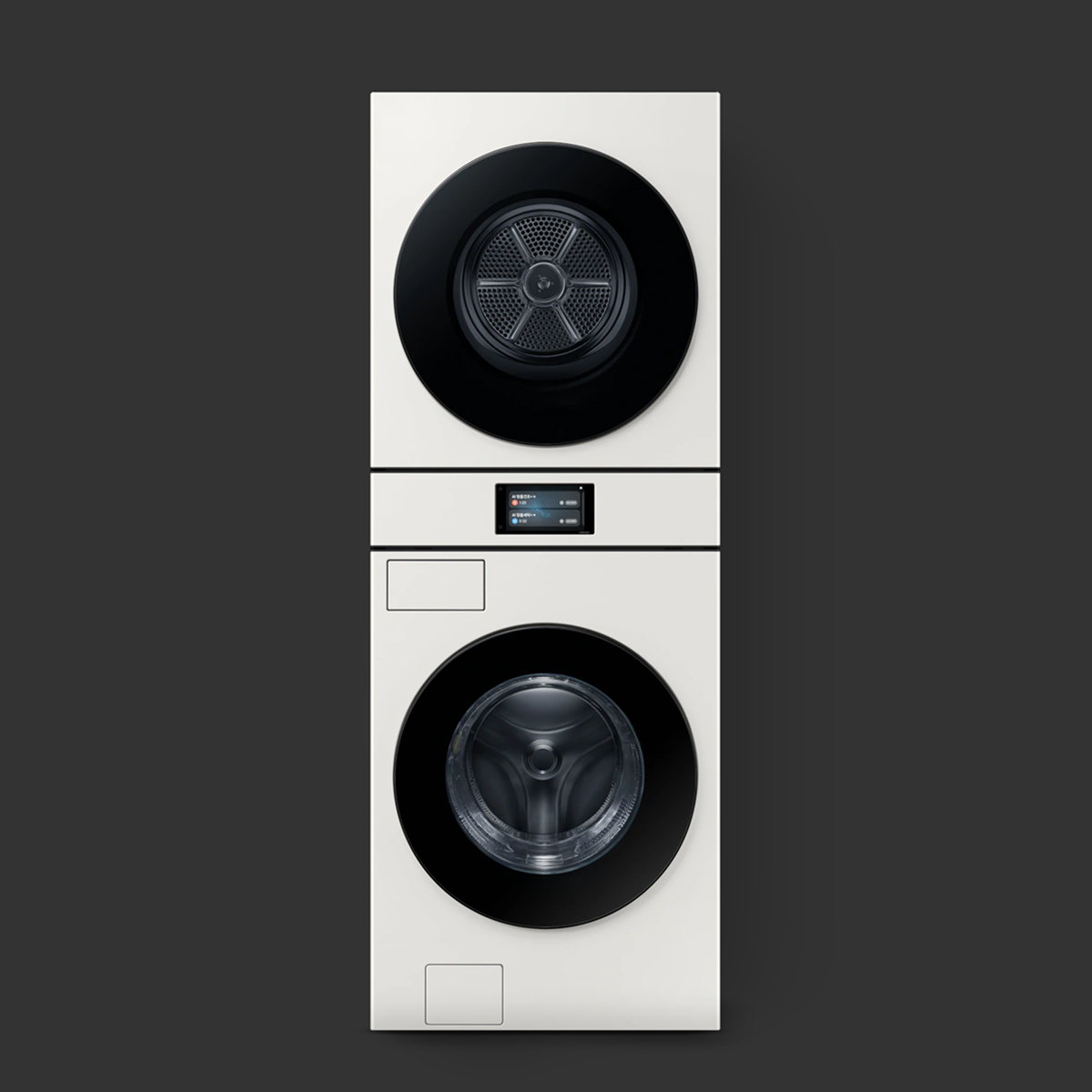
Since laundry hub units are stacked, their design
requirements differ from standalone washers, dryers, or
combo units. The central control part houses the display,
dryer heat exchanger, and more – and it's now designed to
detach and reattach securely for enhanced user convenience.
Because this section directly affects how users interact
with the product, we put great care into positioning it in
the most intuitive and accessible way possible. Aligning
these components may seem simple, but it demands precise
calculations and finite adjustments, all while considering
the overall product structure.
* This image has been created by generative AI (ComfyUI,
MagnificAI, Midjourney).
It must have been a challenge to change the existing structure
and UX. How did you approach it?
One of the biggest challenges was implementing the push/pull
system to eliminate the handles, especially since the washer
detergent drawer and dryer water tank weigh different amounts.
It felt necessary to remove them though to achieve balance
with the newly added 7-inch display. Also, in terms of
usability, the push/pull system is much easier and more
comfortable than using handles.
After endless research and testing, we finalized a push/pull
system that works for both the washer and dryer. We see this
as a shared achievement with the development team, who deeply
resonated with our vision and collaborated with great
commitment.
Adding a display seems to have transformed the way people
use the product. What changed most?
The display allows users to communicate directly with the
product, enhancing usability and expanding the overall
interaction experience. For example, Bespoke AI can
recommend optimized wash cycles through the display, and
users can manage all devices connected to SmartThings
directly from the washer or dryer.
What’s the most challenging part of designing home appliances?
Since the product is motor-powered, its design must take into
account mechanical dynamics and the underlying hardware
structure. For example, in cases when a standalone washer and
dryer are installed side by side, they would be much easier to
use if the doors were raised higher. But that’s not just a
simple design change. It would require a complete redesign of
the hardware and calls for much broader innovation. Even the
smallest of changes can lead to countless variables and
challenges. That makes things tough at times but also incredibly
rewarding and enjoyable.
What kind of designer do you aspire to be?
Home appliances take care of tasks we don’t enjoy, like cleaning
and laundry. They have a huge impact on our daily lives. That’s
why we want to design products that are easy and comfortable to
use, based on a deep understanding of and empathy for the user.
If someone becomes attached to a product we designed and enjoys
using it, that would be the greatest reward for us.